





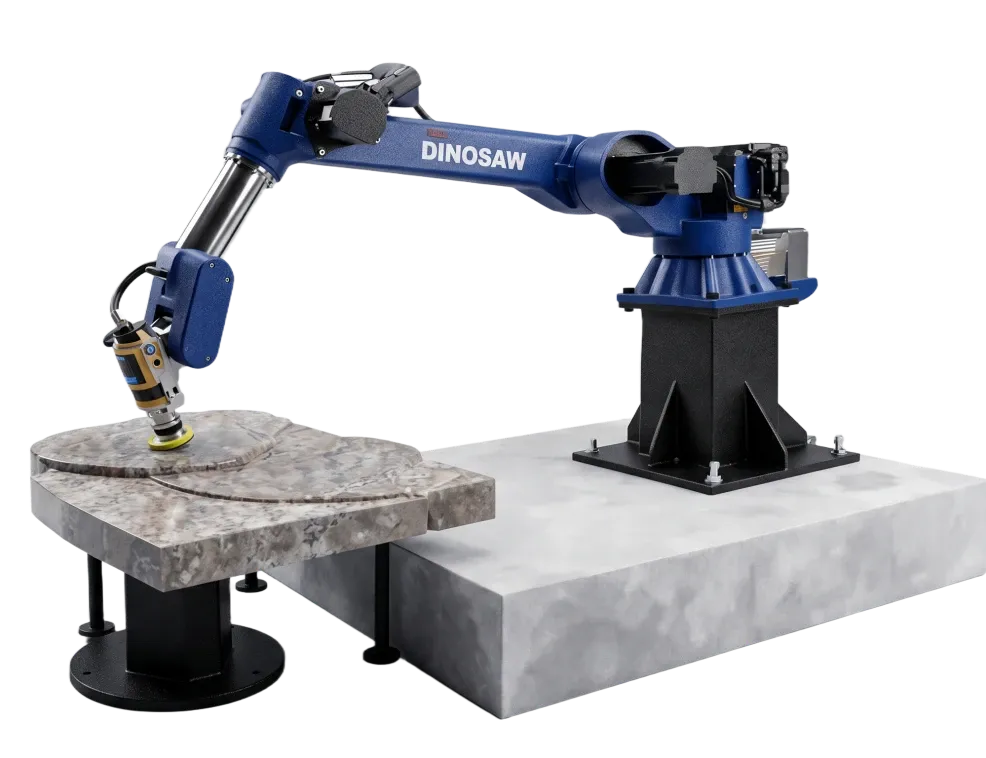
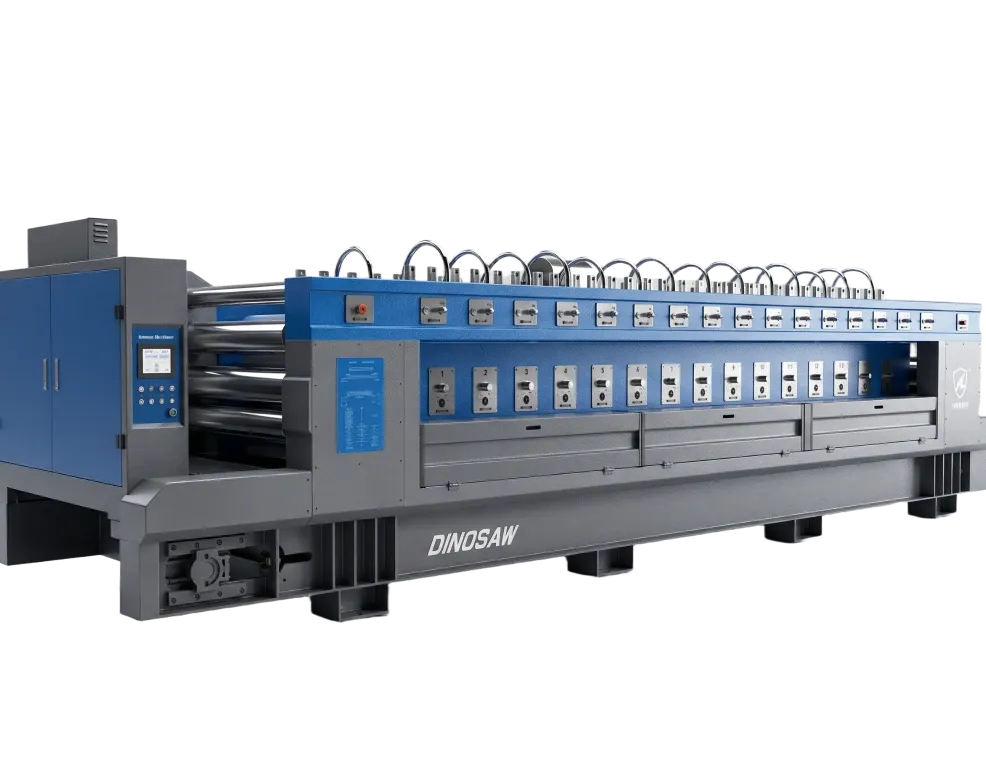


大鲨鱼科技——硬脆材料加工专家
主营:数控机械·金刚石工具


Open Hours:8:30am-20:30pm

WhatsApp: +86 198-5901-3937


 |
 |
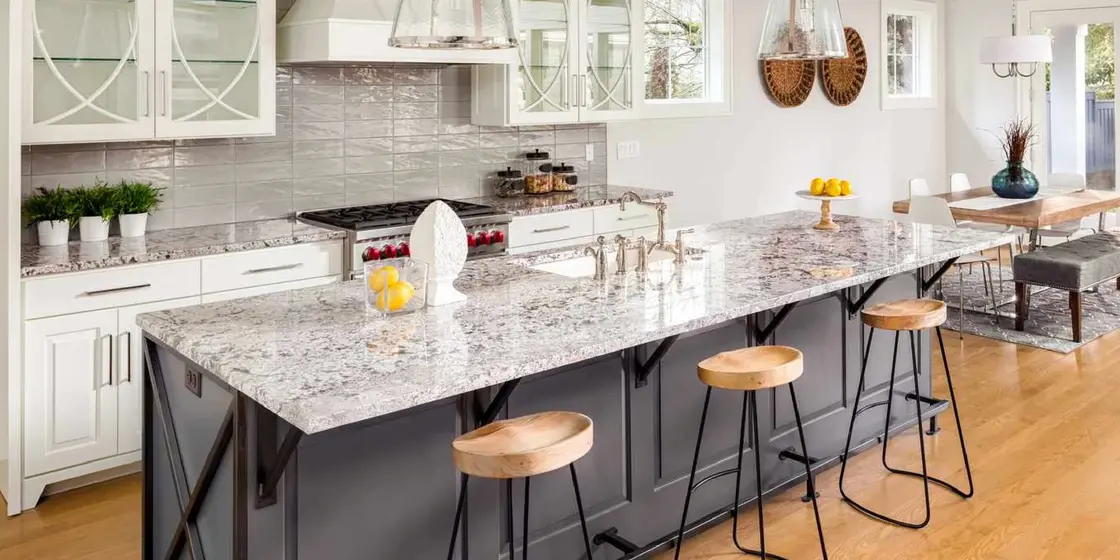 |
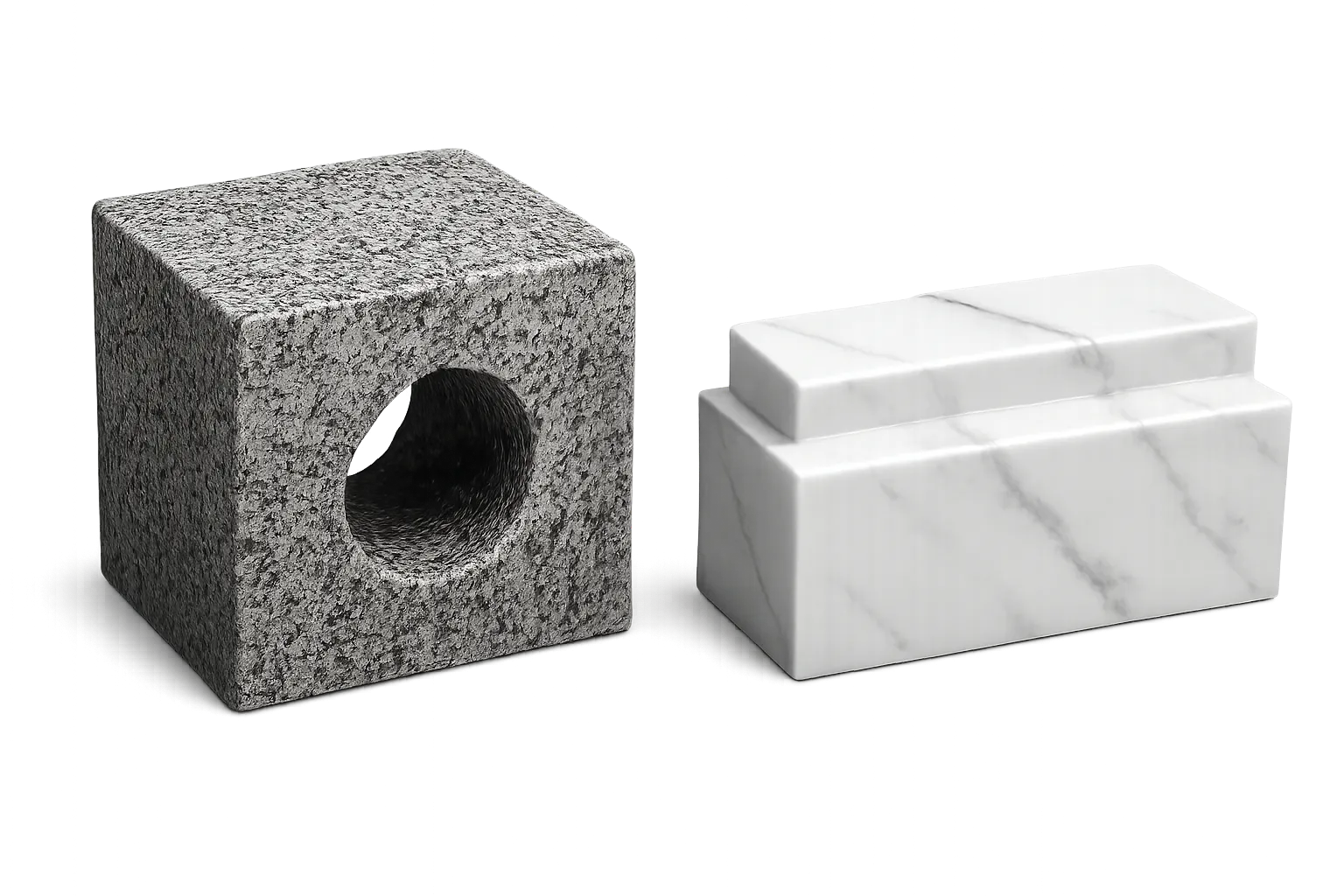
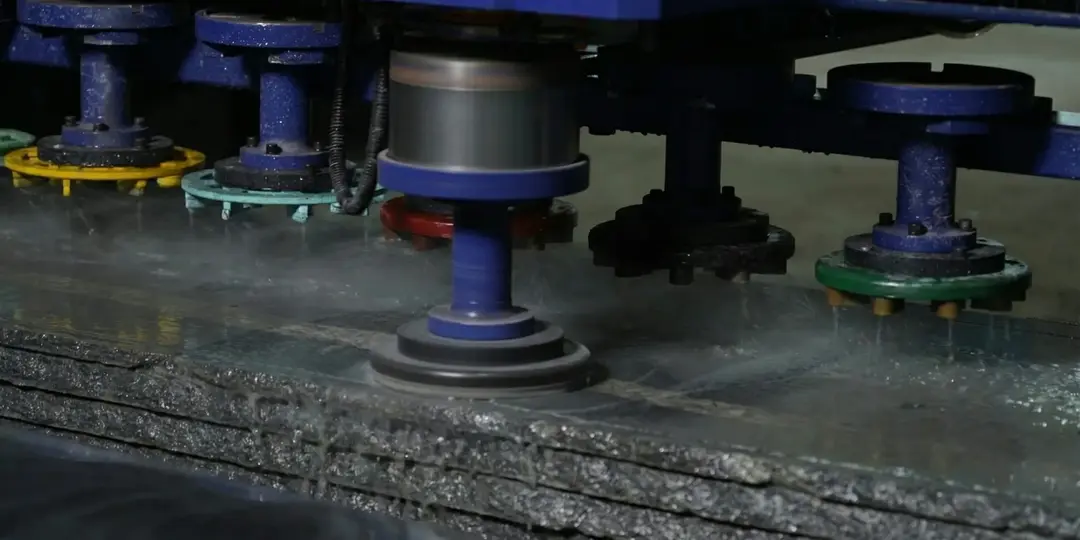
Granite's durability and aesthetic appeal make it the preferred choice for kitchen countertops and memorial monuments, requiring high-quality polishing to reveal its natural beauty.
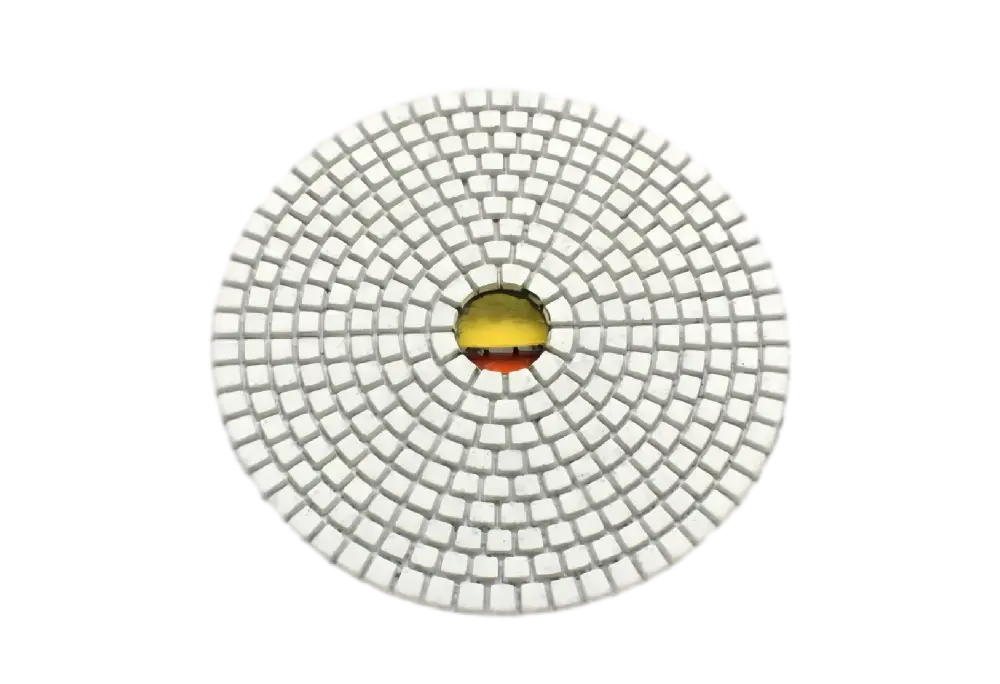
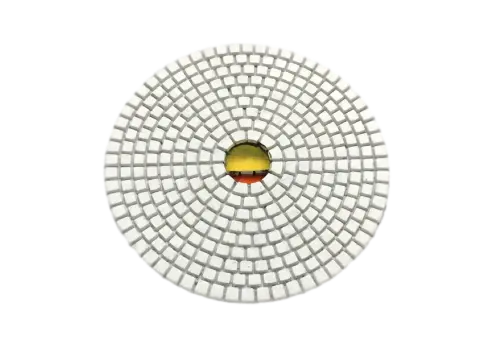
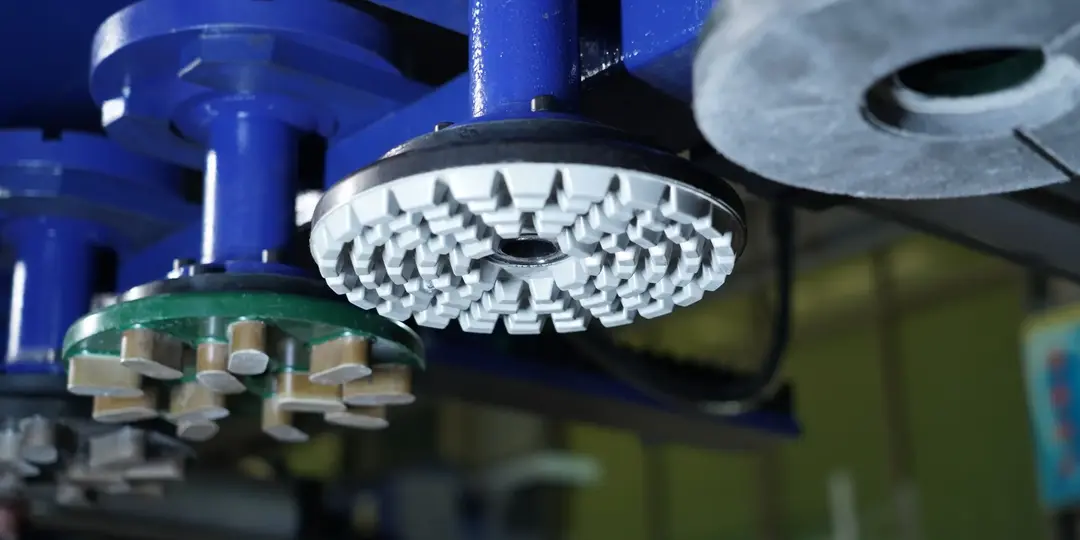
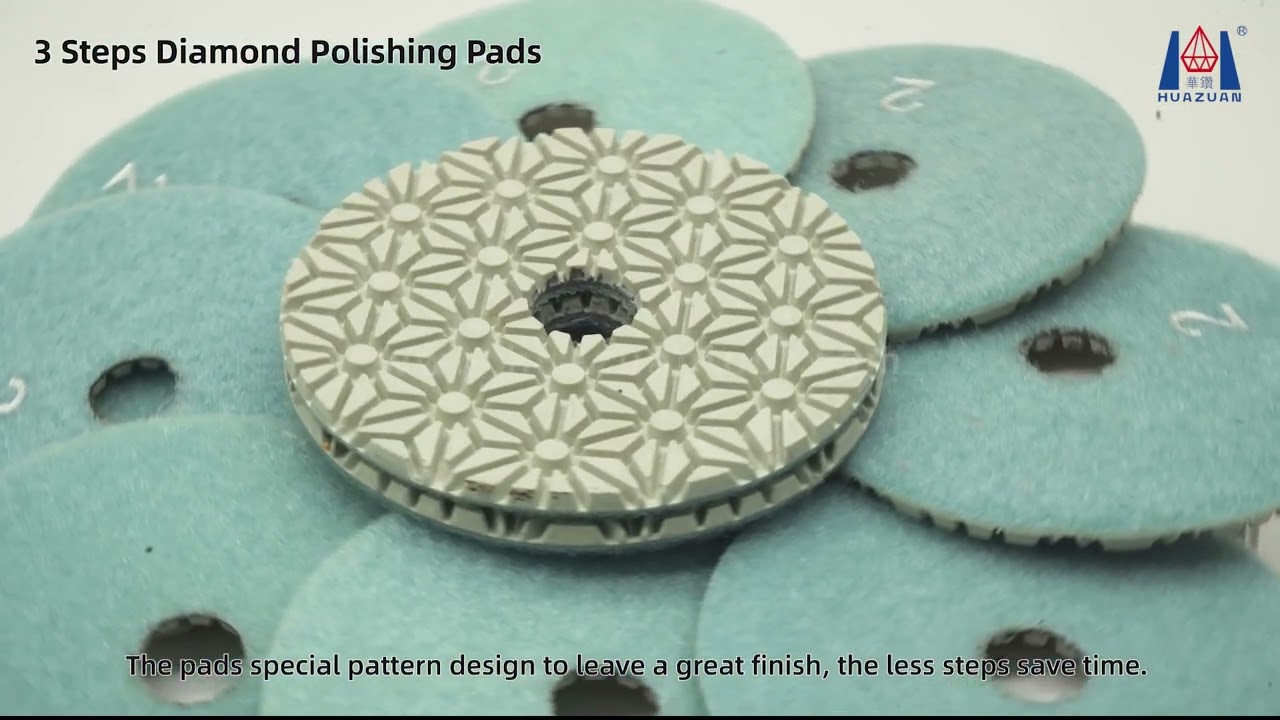
DINOSAW diamond polishing pads use calibrated diamond concentration and strategic particle arrangement to efficiently work with granite's crystalline structure. Starting with coarser grits (50-100) for initial grinding, then progressing through medium (200-400) and fine grits (800-3000), these pads create a systematic refinement process that removes scratches while developing a high-gloss finish on both flat surfaces and edge details.
Stone fabricators achieve consistent polish across varied granite types, while distributors benefit from reliable product performance and reduced customer support requirements.
 |
 |
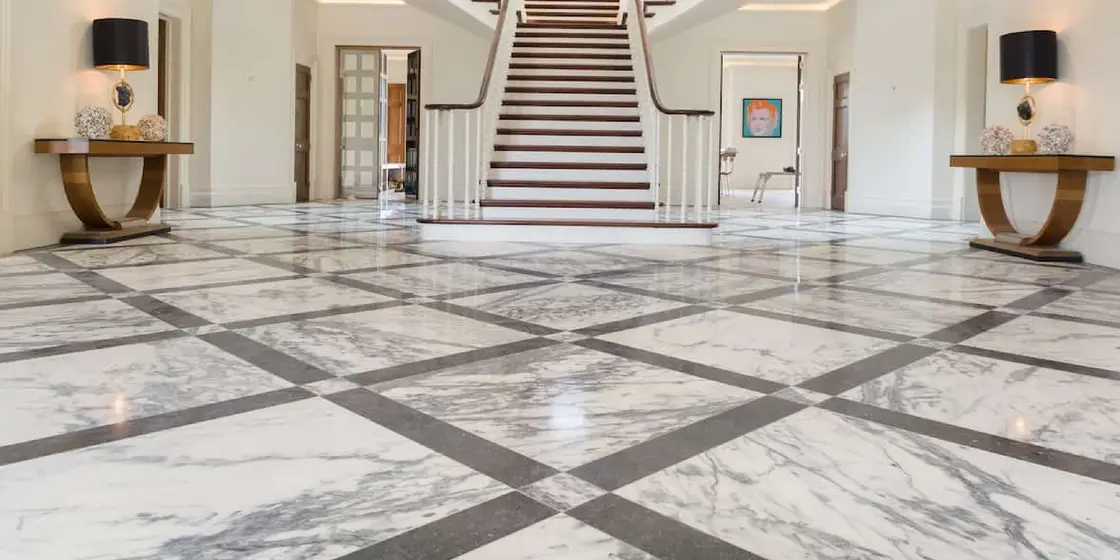 |
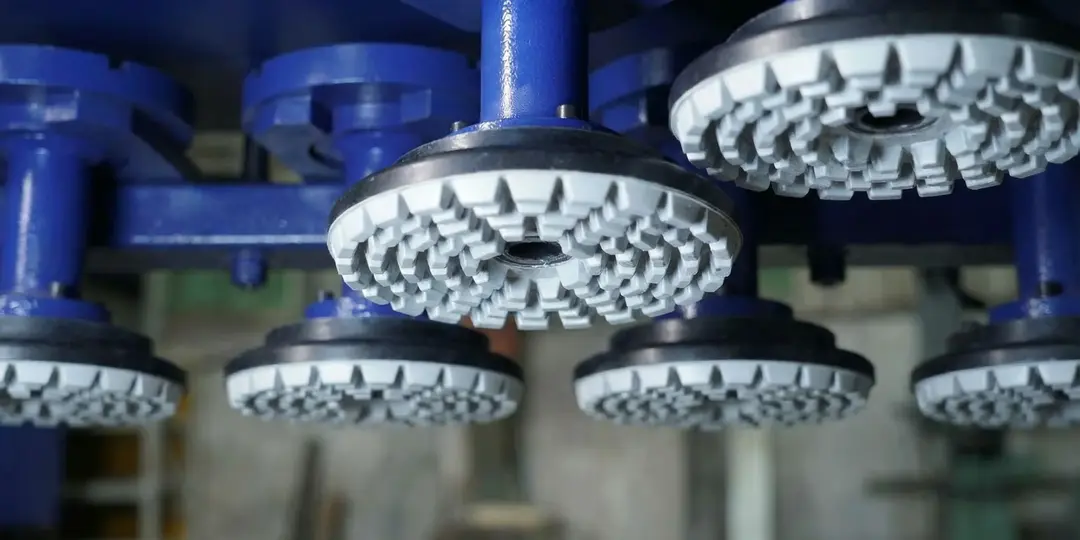
Marble's soft, calcium-based composition requires specialized polishing approaches to achieve the luxurious sheen expected in high-end floors and decorative applications.
DINOSAW marble polishing pads utilize a calibrated resin bond that prevents overheating and micro-fractures in sensitive stone. The process typically begins with medium grits (200-400) unless repair is needed, followed by progressive refinement through finer grits (800-3000). The flexible backing provides optimal contact with curved or irregular surfaces, while controlled diamond exposure prevents etching or damage to the delicate material.
Professional fabricators achieve consistent results that enhance marble's natural luminosity, providing both reliable performance and maintenance simplicity for end customers.
 |
 |
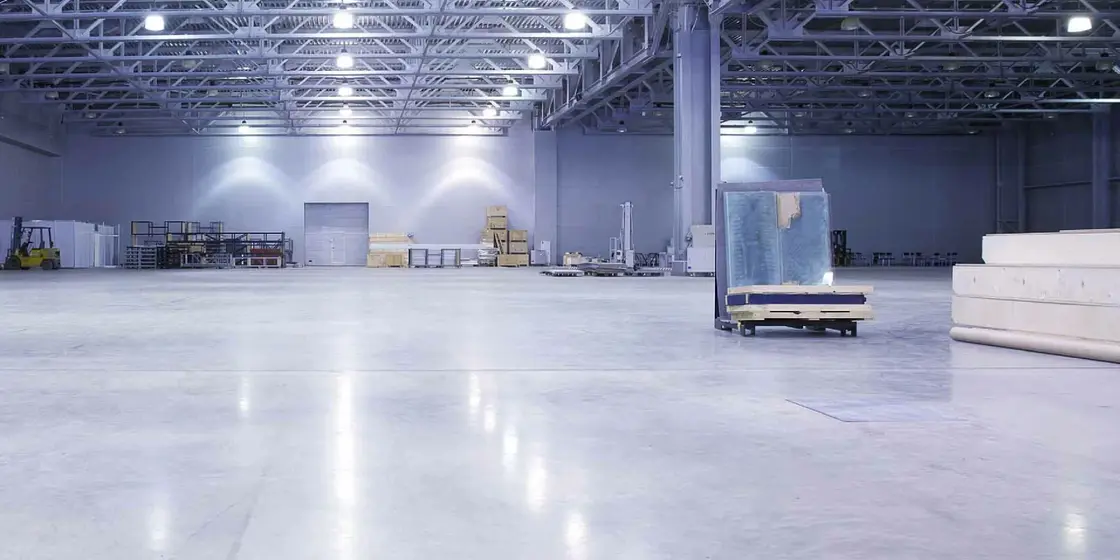 |
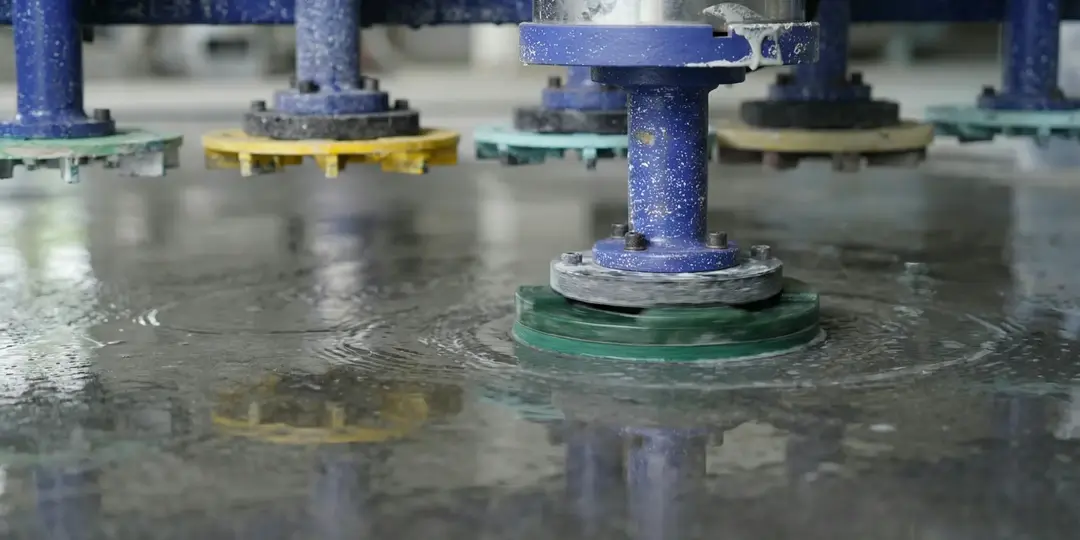
Concrete polishing transforms ordinary industrial floors into durable, low-maintenance surfaces with aesthetic appeal and enhanced functionality for commercial and manufacturing environments.
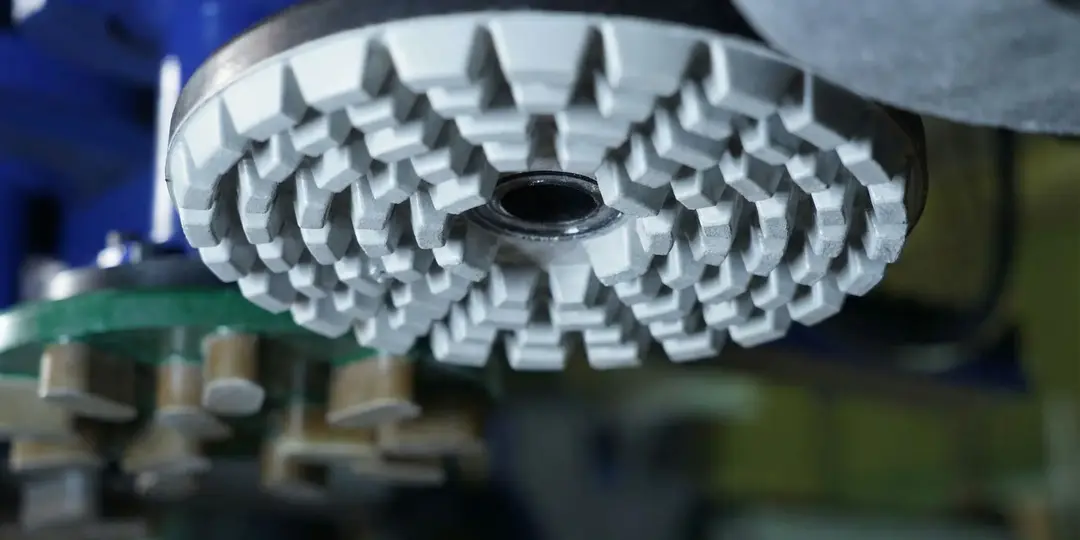
DINOSAW concrete polishing pads feature a structured diamond matrix designed to manage the varied densities in concrete aggregate. The process typically begins with metal-bond pads (30-50 grit) for initial grinding, transitioning to resin-bond pads (100-3000 grit) for refinement and final polishing. This systematic approach opens the concrete surface, increases density through proper chemical treatment, and creates a mechanically polished finish with specified reflectivity levels.
Contractors complete projects efficiently while providing their clients with floors that offer reduced maintenance costs, improved light reflectivity, and extended service life.
 |
 |
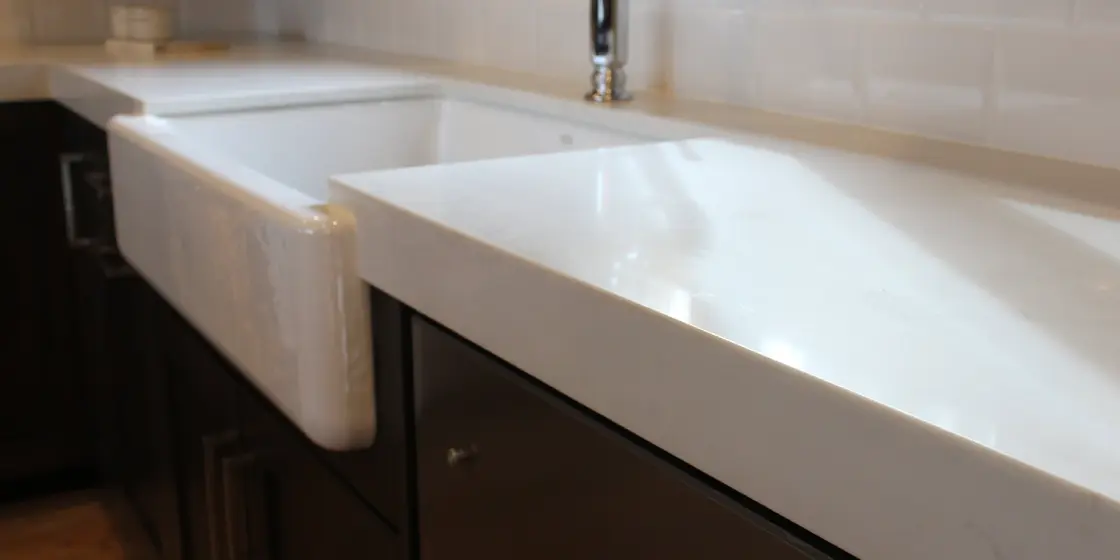 |
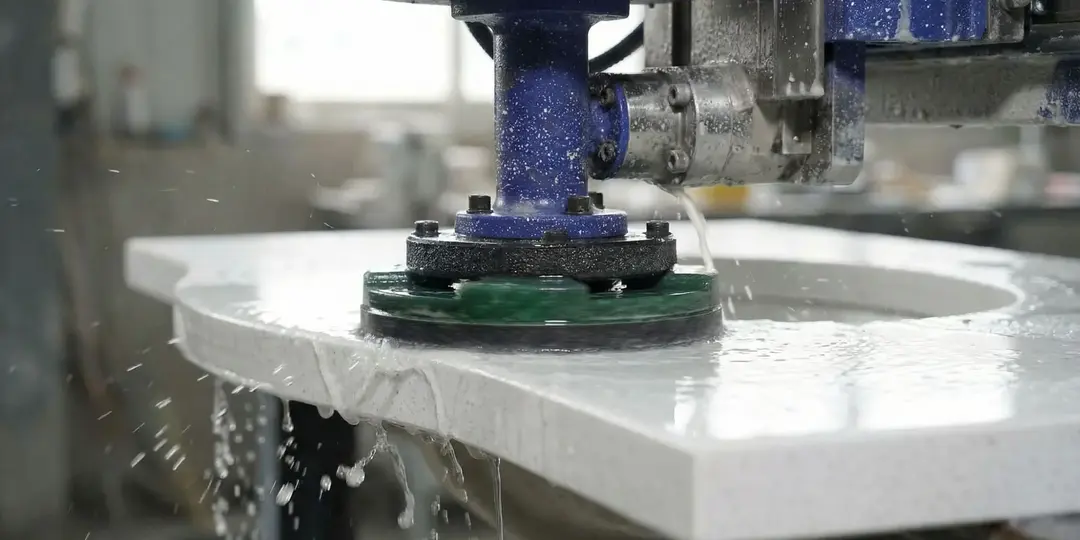
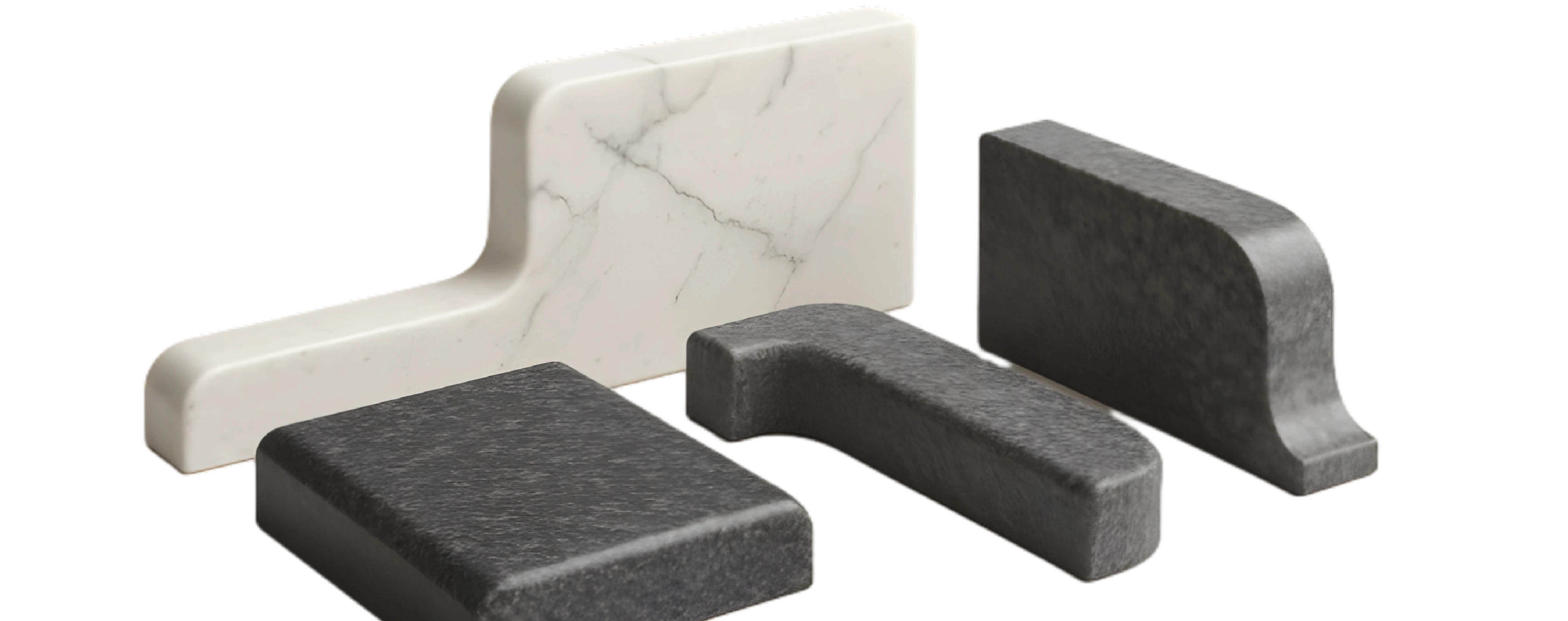
Quartz's exceptional hardness and crystalline structure require specialized polishing approaches to achieve precision edge details and perfect corner transitions in premium countertop installations.
DINOSAW quartz polishing pads feature higher diamond concentrations specifically designed for dense, hard materials. The optimized diamond particle shape and distribution creates efficient cutting action while preventing chipping on vulnerable edges and corners. The systematic progression from medium grits (200-400) through ultra-fine finishing grits (1500-3000) reveals the full clarity and depth of quartz structures.
Fabricators achieve clean, precise edge transitions and corner details that enhance overall installation quality, while satisfying the expectations of design-conscious clients.
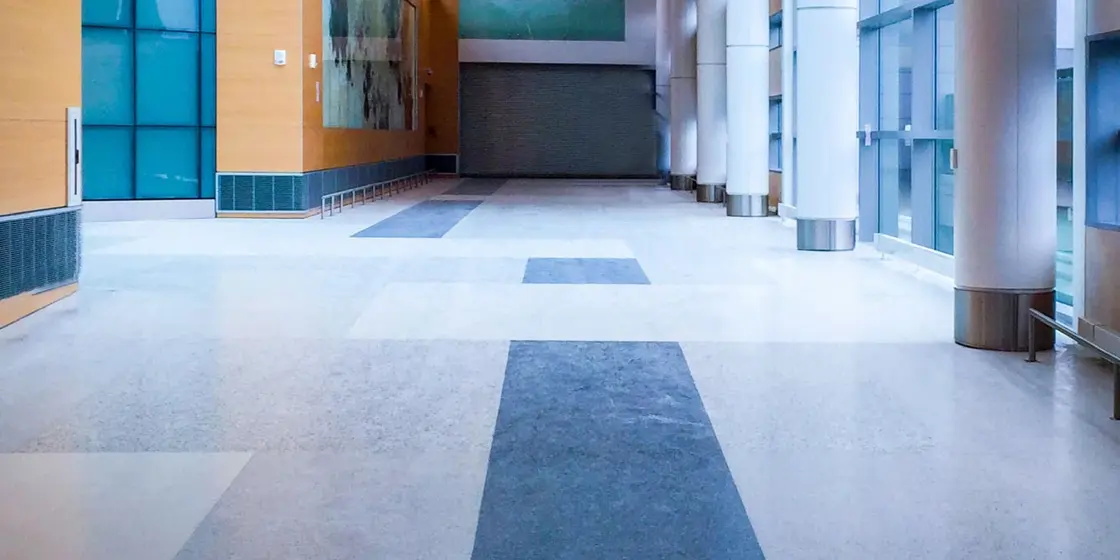
Terrazzo combines cement or resin with decorative aggregate to create versatile flooring solutions for commercial spaces, requiring specialized polishing to achieve a uniform finish across varied material densities.
DINOSAW terrazzo polishing pads utilize a balanced diamond formulation that addresses both the harder aggregate materials and softer binding matrix. The process typically begins with coarser grits (50-100) for initial leveling, progressing through medium and fine grits to develop an even, consistent finish. The specialized resin bond prevents preferential cutting of softer areas, maintaining the intended pattern and design integrity throughout the polishing sequence.
Commercial flooring contractors deliver durable, attractive surfaces with optimal light reflectivity and simplified maintenance requirements for high-traffic public spaces.
 ▶
▶
Un fabricante de encimeras en Chicago, usando almohadillas de pulido de diamante DINOSAW, redujo el tiempo de pulido en un 40% y mejoró la consistencia de los cantos. La mayor vida útil de las almohadillas y menores costes laborales aumentaron los márgenes de beneficio a pesar de la presión de precios en el mercado.
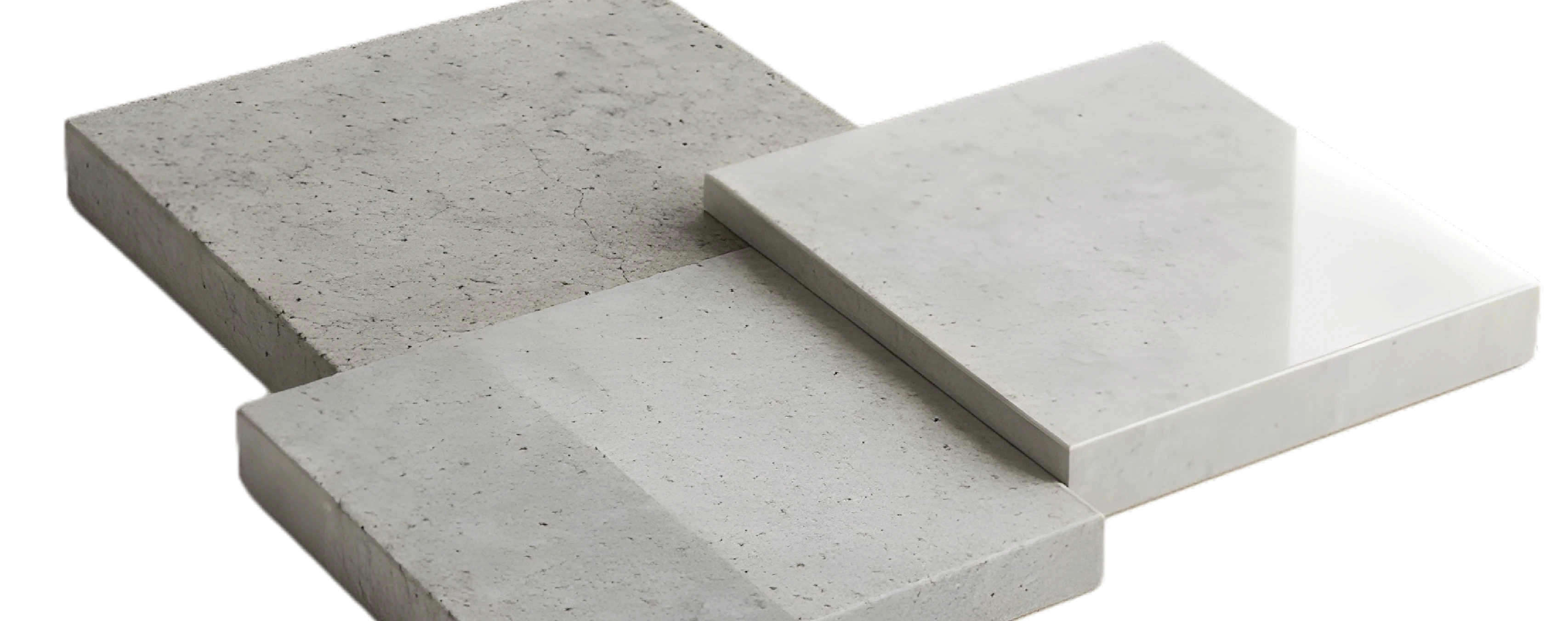
Un especialista en renovaciones transformó 1.400 m² de almacén de hormigón en suelos de oficina modernos usando almohadillas de diamante DINOSAW específicas para hormigón. El proyecto se completó 3 días antes con una superficie de alto brillo y bajo mantenimiento que redujo los costes a largo plazo.
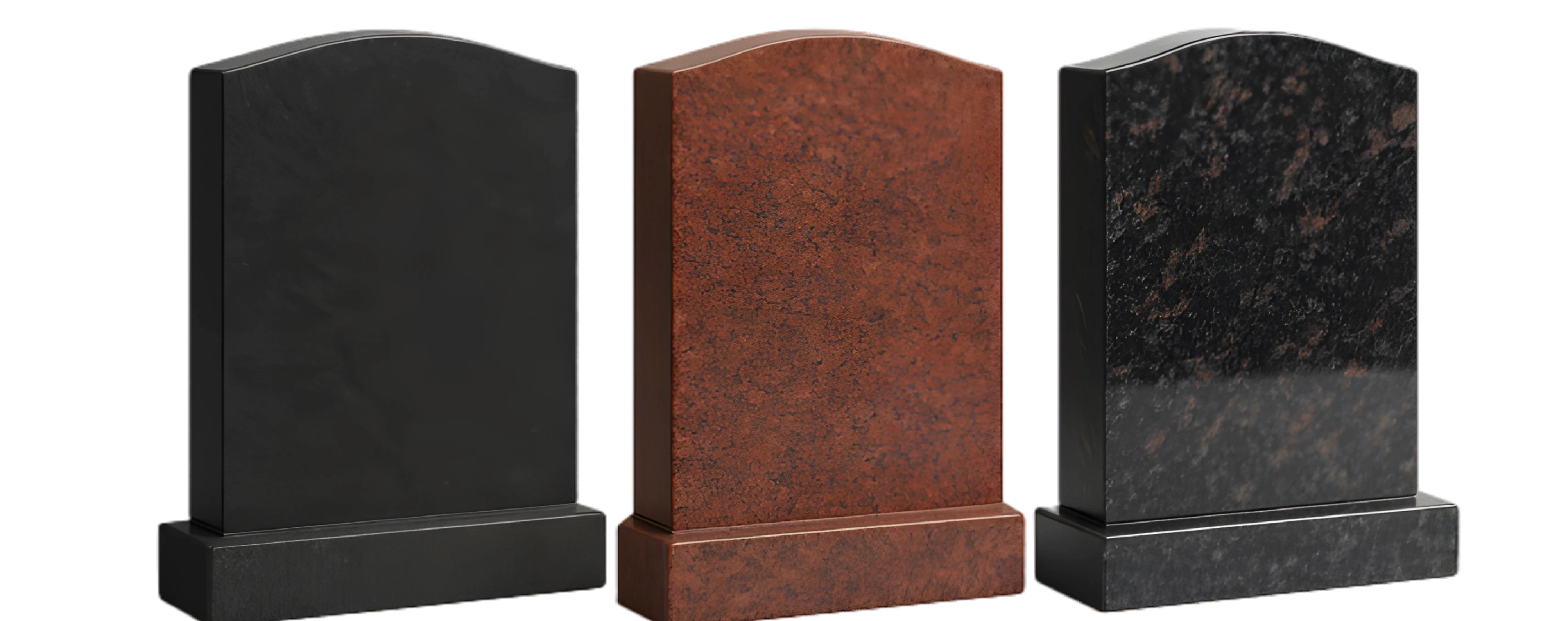
Una empresa de monumentos logró negros más intensos, colores vibrantes y reflejo perfecto en la superficie de granitos diversos con almohadillas de diamante DINOSAW. La mejora en la calidad del acabado permitió precios premium mientras que la mayor vida útil de las almohadillas redujo los costes de producción en un 22%.
Specifications customizable upon request.
For our complete range of diamond polishing pads with various specifications, contact our technical team for parameter sheets and custom options.
DINOSAW diamond tool experts will recommend the optimal pad type, grit sequence, and specifications for your project.
Engineered for consistent performance across different materials
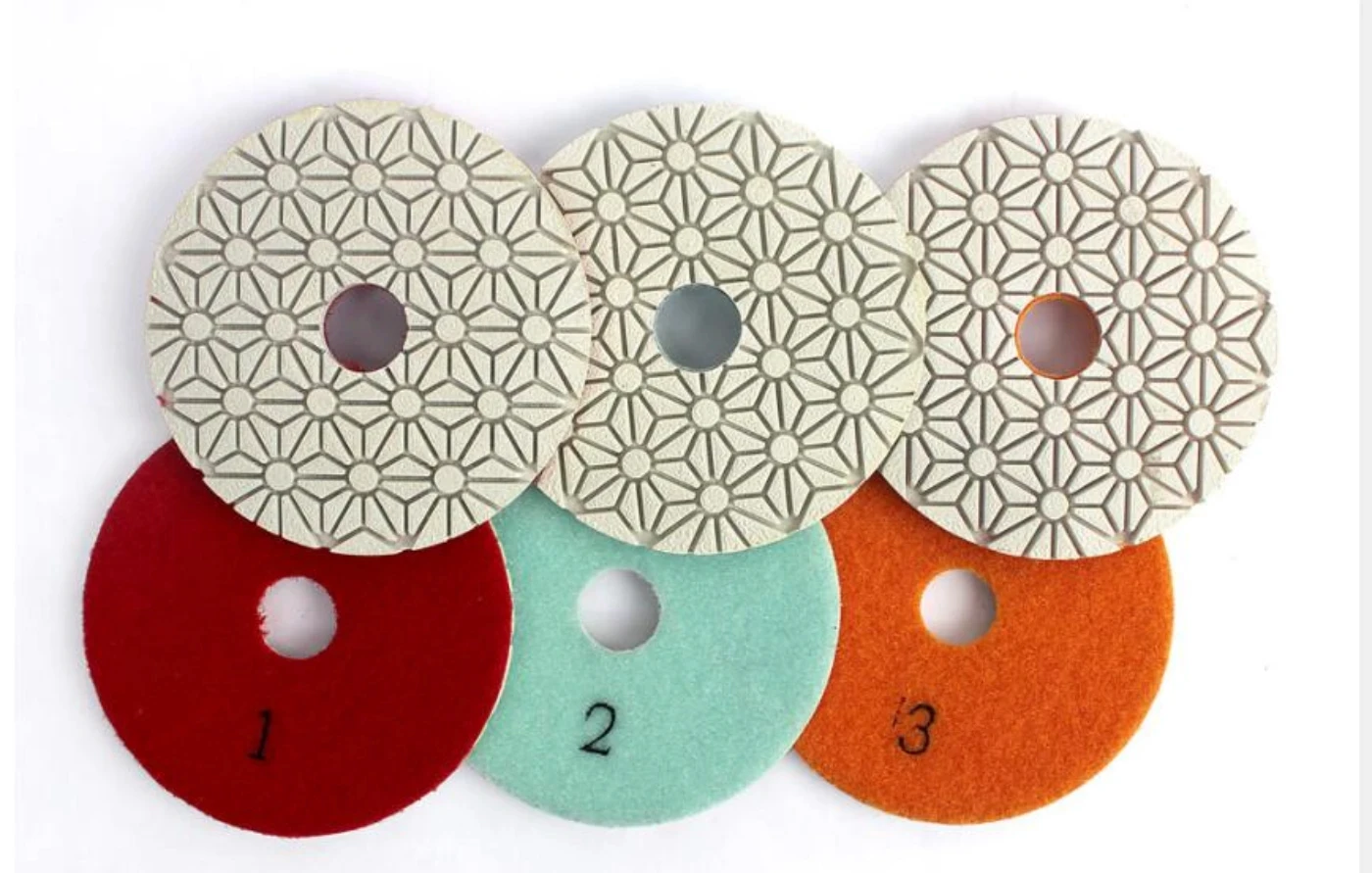
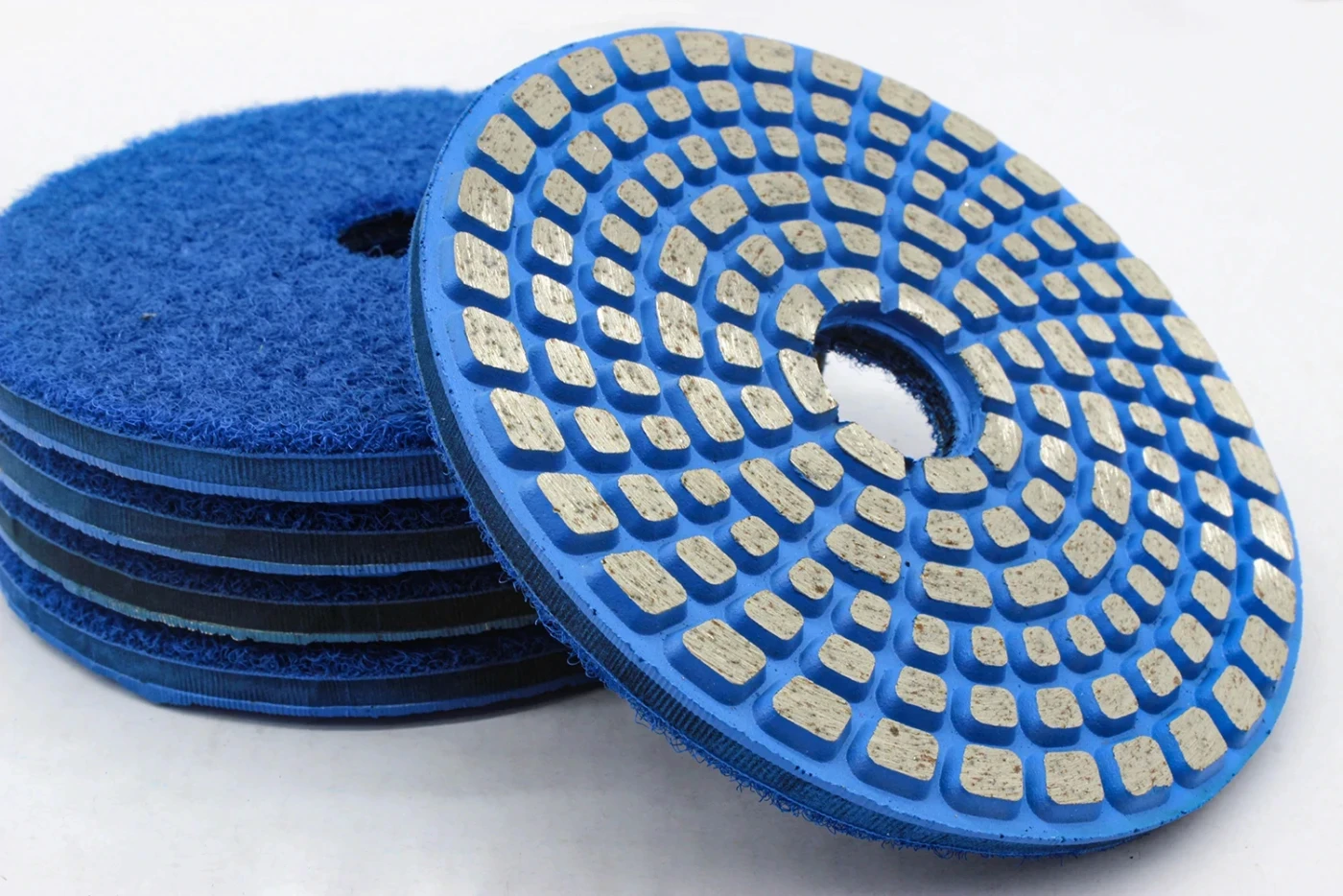
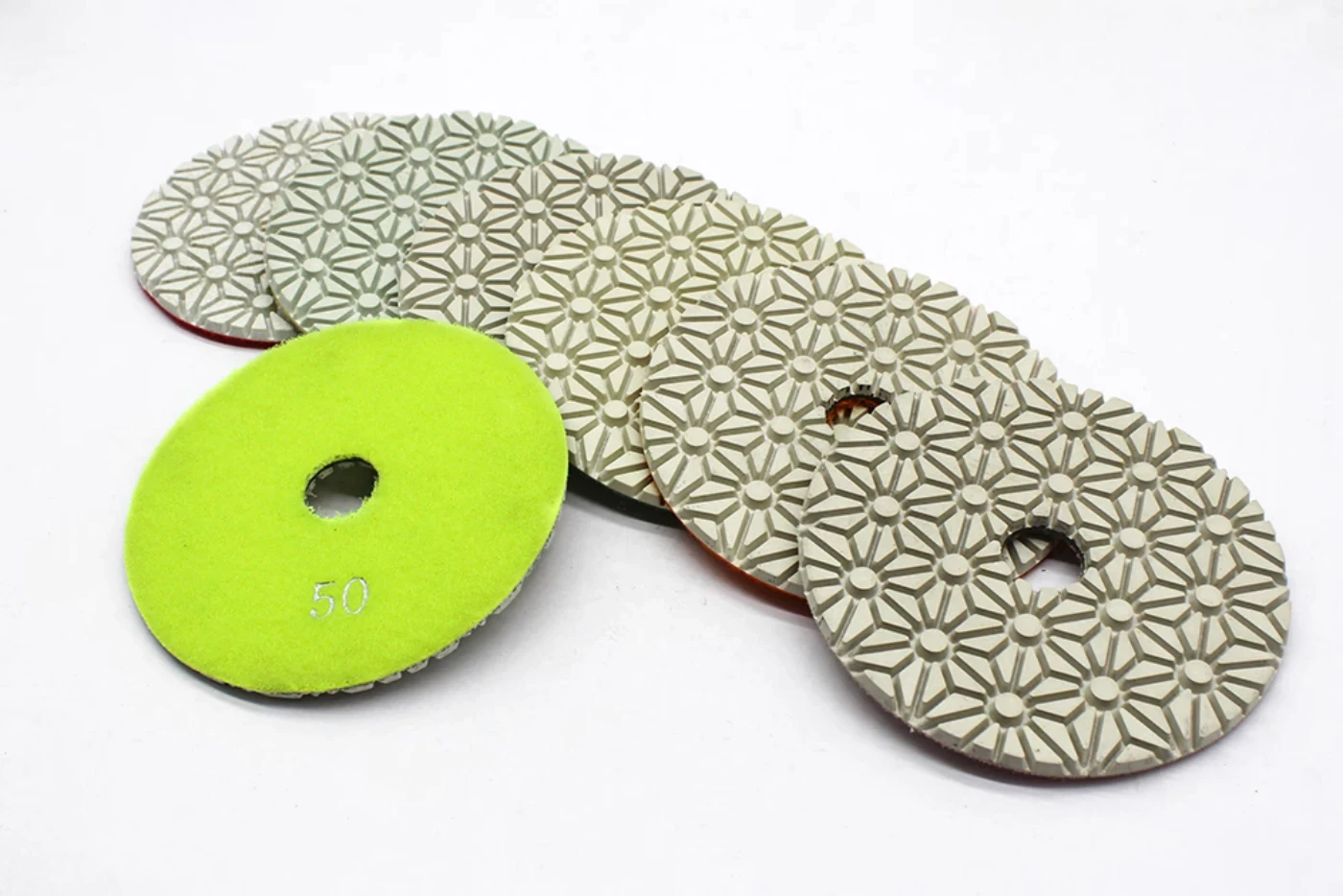
Complete selection of wet, dry and hybrid pads covering all stone polishing applications from 30 to 3000 grit
Optimized diamond concentration and bonding technology for specific materials from granite to engineered stone
Resin bond technology increases pad durability and delivers consistent performance throughout the pad's service life

Hook and loop, PSA, and snail lock backing systems compatible with all standard polishing equipment

Clear identification system prevents confusion during progressive polishing sequences, improving workflow efficiency

Comprehensive inventory solutions, merchandising displays, and technical training for trade partners
Common Questions About DINOSAW Diamond Polishing Pads
Diamond polishing pads are mainly used to take a cut surface to a finished surface—from removing saw marks and leveling the face, all the way to a smooth matte or high-gloss finish.
In day-to-day work, they sit right after cutting, shaping, or CNC machining. If the surface has: cutter lines, small chips, uneven spots, or dull areas, pads are what you use to bring it back to a clean, consistent look. Typical jobs include countertops, vanity tops, floor and wall panels, steps, window sills, and precast concrete surfaces. A good pad set helps you spend less time “fixing mistakes” and more time producing consistent finishes.
They can be used on granite, marble, engineered stone/quartz, terrazzo, and concrete.
What matters in practice is that different materials polish differently. Granite and quartz are hard and can feel “slow” if the pad cuts weakly; marble is softer and can show swirl marks or uneven gloss if the pad is too aggressive or the grit steps are skipped. Terrazzo and concrete often require better slurry control (wet) or stronger dust control (dry). So the pad needs to match your material and your finish target, not just “work on stone.”
Most pad sets cover a full progression, typically 50#/100# → 200# → 400# → 800# → 1500# → 3000# (exact steps can vary).
How this plays out on the job:
50#/100#: remove saw marks, level the surface, fix small chips/low spots
200#–400#: remove the deep scratches left by coarse grits
800#–1500#: refine the surface and build clarity
3000#: push the finish toward higher gloss and smoother feel
A consistent sequence is what prevents “polish forever but still see scratches.” If a scratch is still visible at a fine grit, it usually means the previous grit didn’t fully remove the earlier scratch pattern.
Wet pads are designed to run with water for cooling and debris removal. This makes polishing more stable—less overheating, fewer burn marks, cleaner scratch removal, and usually longer pad life. Wet polishing is the safer choice when you need a consistent finish on granite/quartz or when you’re polishing a large visible surface.
Dry pads are built for situations where water is not practical. They’re convenient for job sites and quick touch-ups, but they rely more on correct speed/pressure and good dust control. If you choose dry pads, the main rule is to avoid heat buildup—heat is what causes glazing, resin smearing, or surface damage.
Yes. They are commonly used with angle grinders, handheld polishers, floor machines, and CNC polishing setups.
Before choosing, the practical checks are:
Pad diameter matches your machine and working area
Backing type fits your holder (most are hook-and-loop)
RPM range is compatible with the pad (especially for dry use)
Your workflow fits: wet station, dust control, edge access, and finish target
If you tell me what you’re polishing (material + finish goal + wet/dry + machine type), I can recommend a sensible grit plan and usage setup without turning it into a long manual.
Pad life depends mainly on material hardness, surface condition, pressure, speed, and grit selection.
On hard materials like granite or quartz, pads wear faster but remain stable if used at the right speed with proper pressure. On softer materials like marble, pads usually last longer, but incorrect use can cause glazing or uneven wear. In real work, premature wear is often caused by skipping grits, running too fast, or pressing too hard to “save time.” A correct grit sequence usually extends pad life more than any single adjustment.
Both matter, but machine settings often decide whether a good pad performs well or poorly.
Even a high-quality pad will struggle if:
RPM is too high for the grit
Pressure is inconsistent
The surface was not properly prepared by earlier grits
In practice, efficiency comes from balance: the pad cuts cleanly, the machine runs at a controlled speed, and each grit fully does its job before moving on. When this balance is right, polishing time drops and surface quality improves at the same time.
Pads directly control scratch pattern, surface clarity, and gloss uniformity.
If coarse-grit scratches are not fully removed, they will show up later as haze or dull lines. If fine grits are rushed, the surface may look shiny from one angle but uneven from another. Consistent pad quality helps ensure that each step removes the previous scratch pattern evenly, which is what creates a clean, uniform finish across the whole surface, especially on large slabs.
Selection should start from material and finish requirement, not from pad price alone.
For example:
Granite or quartz countertops usually need stronger cutting ability and stable wear
Marble and decorative stone need better surface control to avoid swirl marks
Terrazzo and concrete often require better debris handling and heat control
Choosing pads that match your main materials and finish targets reduces trial-and-error, saves time, and improves consistency across jobs.
Common issues include visible scratches after polishing, uneven gloss, burn marks, or excessive pad wear.
In many cases, the root cause is not the pad itself but how it is used:
Skipped or rushed grit steps
Incorrect speed or pressure
Using dry pads where wet polishing would be more stable
Understanding how pads interact with material and machine settings is the fastest way to reduce rework and achieve predictable results.
Global Leader in CNC Machinery & Diamond Tools Manufacturing
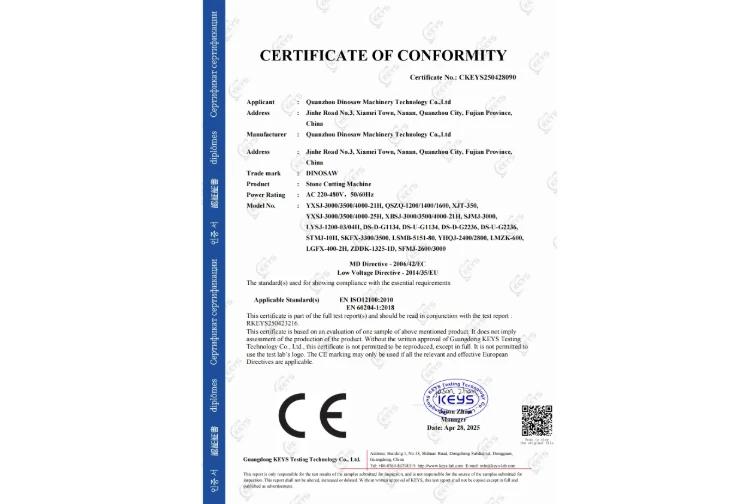
CE Certification
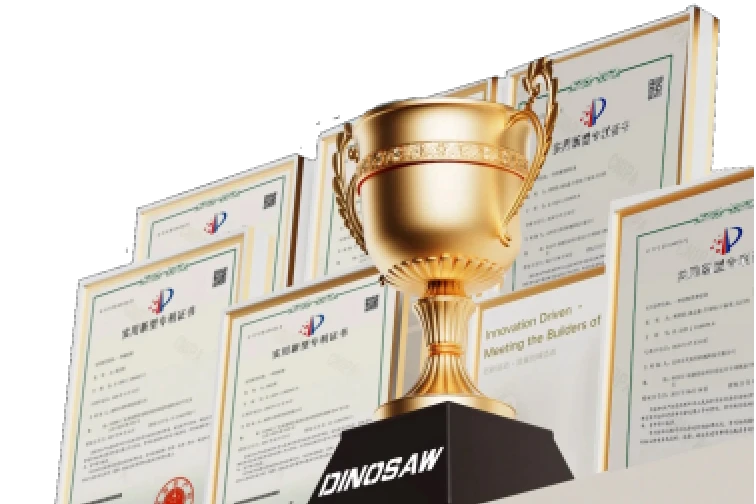
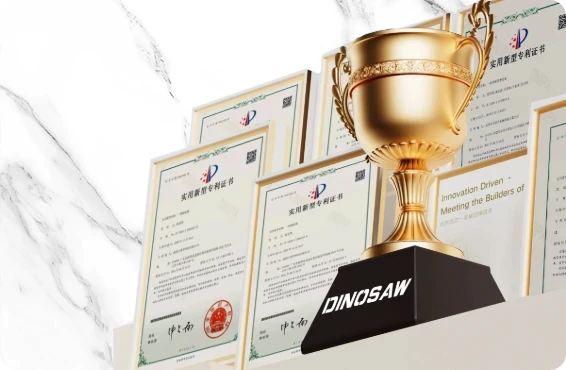
100+ Tech Patents
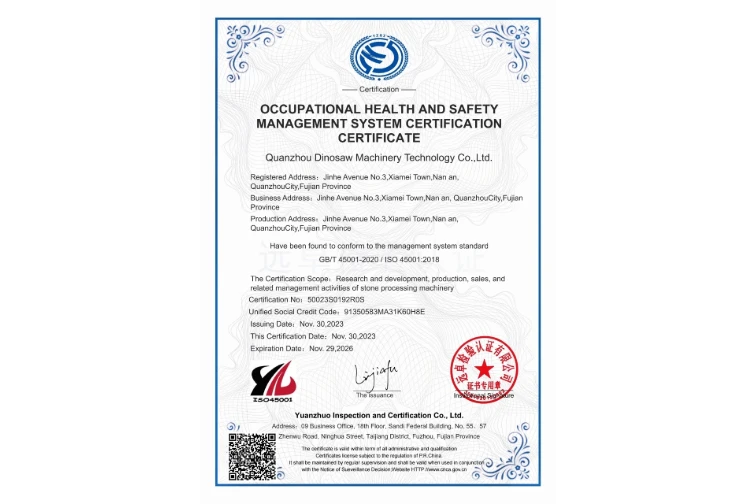
ISO 9001:2015
DINOSAW goes beyond merely complying with international engineering standards—we actively lead their formulation. As the principal drafter of key industry benchmarks for Stone Multi-Wire Saw Machines, CNC Wire Saw Machines, and Bridge Saws, we define the rules of precision manufacturing. Backed by ISO 9001, CE certification, and 100+ technology patents, our products guarantee exceptional durability and safety in the most demanding high-load environments.

75+
Countries Served Worldwide

20+
Industry machinery expertise
Trusted by clients in over 75 countries, DINOSAW delivers lifecycle quality traceability and specialized technical support across 20+ machinery sectors. From traditional mining and stone processing to high-precision manufacturing (semiconductors, quartz glass) and specialized fields like nuclear decommissioning, our comprehensive solutions consistently meet the world's most rigorous operational requirements.
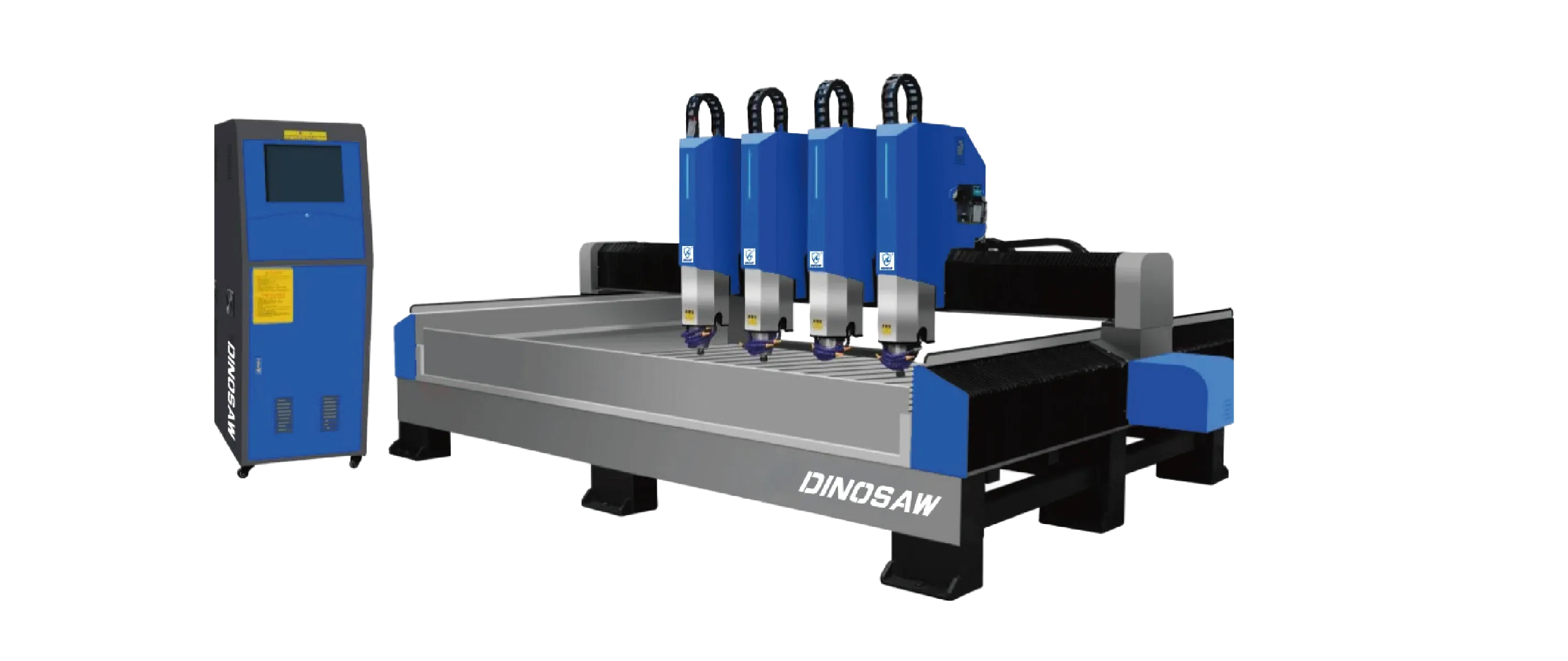
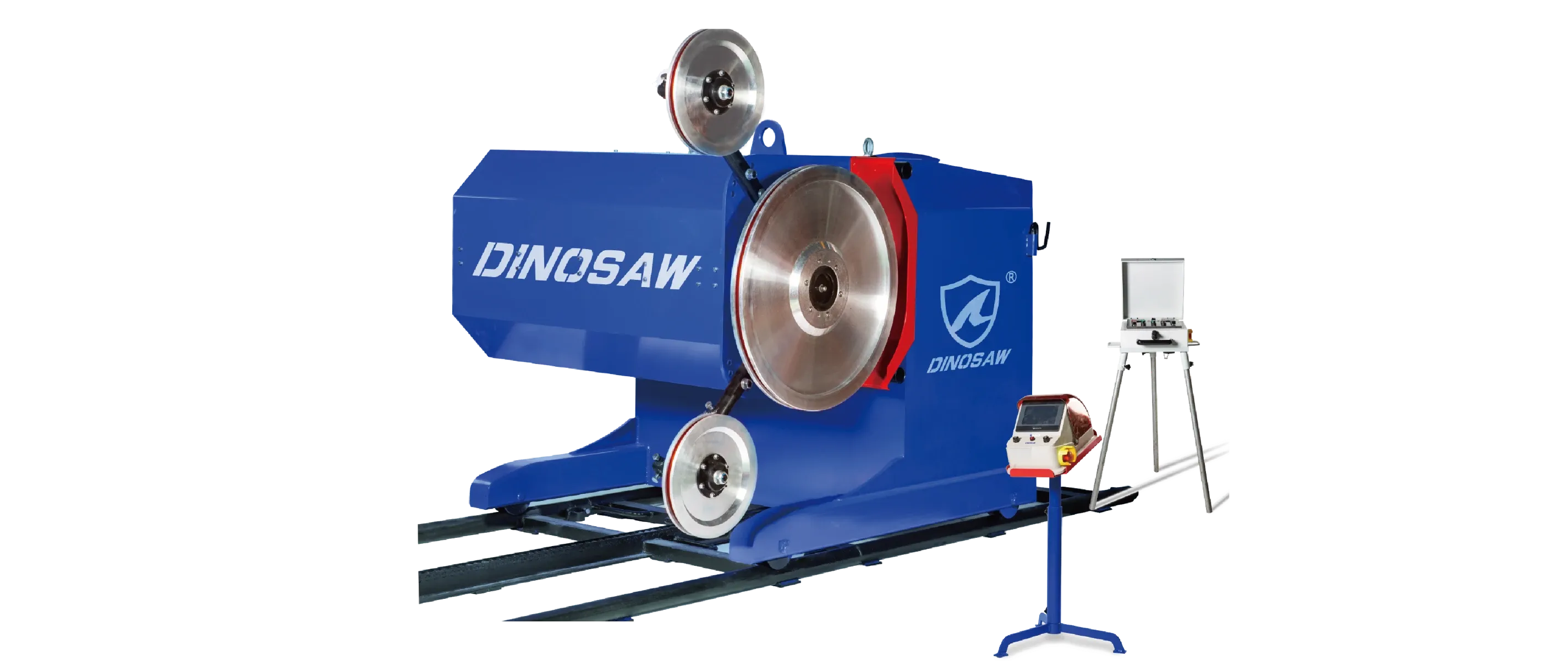
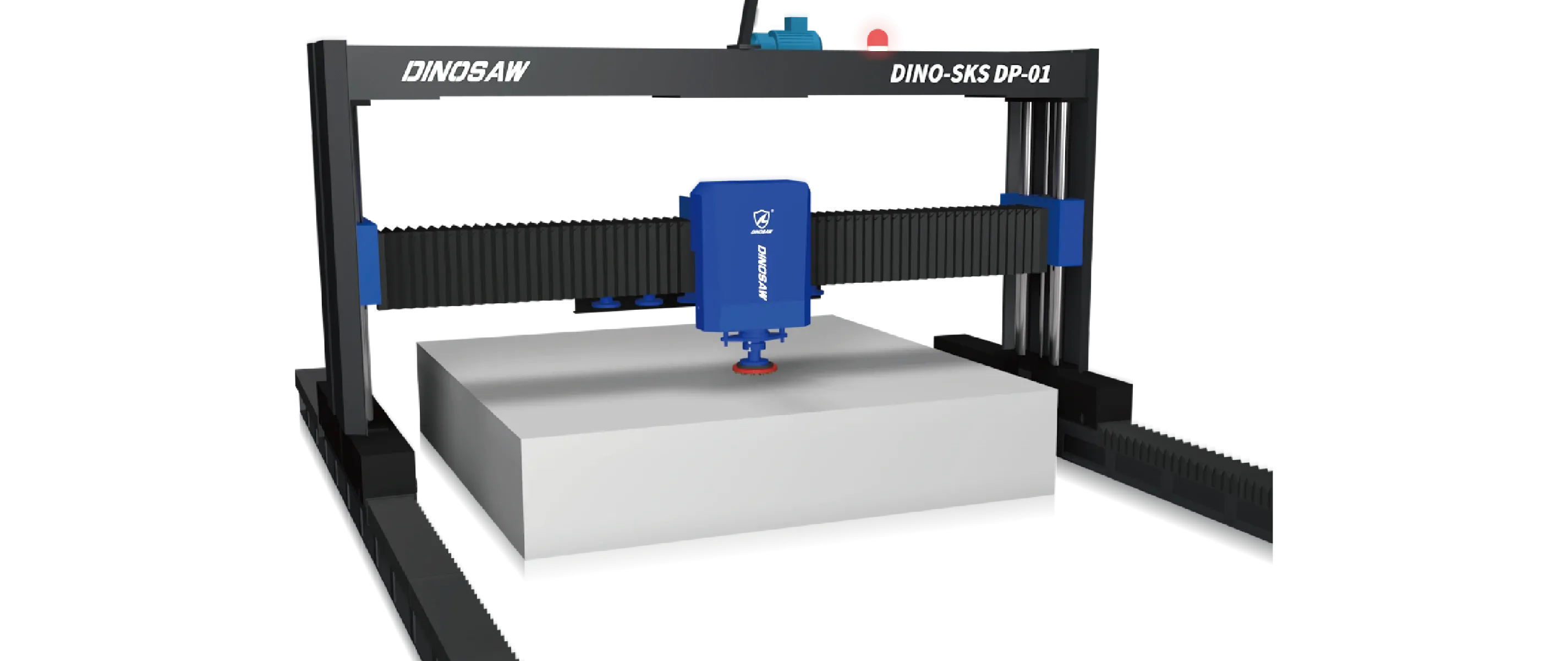
Choose equipment combinations for your product needs to establish efficient automated production lines and maximize profitability.
Contacte a los expertos de DINOSAW para especificaciones técnicas, programas para distribuidores o soluciones personalizadas para requisitos de proyectos específicos.
Buy directly from our factory to eliminate middleman markups. We provide processing plants with heavy-duty machines at factory-direct prices, helping you lower equipment costs and shorten your payback period.

We offer profitable wholesale programs for global distributors. For specialized applications, our engineering team provides OEM/ODM customization—adjusting machine dimensions, motor power, and CNC parameters to fit your exact material workflow.
Are you looking for more new information machines or tools?
 English
Get A Easy Solution
Chat Online
Hi, this is Lizzy from Dinosaw ( Not a Robot ). Which Machine ( model ) do you want? Please WhatsApp us now
Hello 👋 How can we help?